

Reiki Healing Session
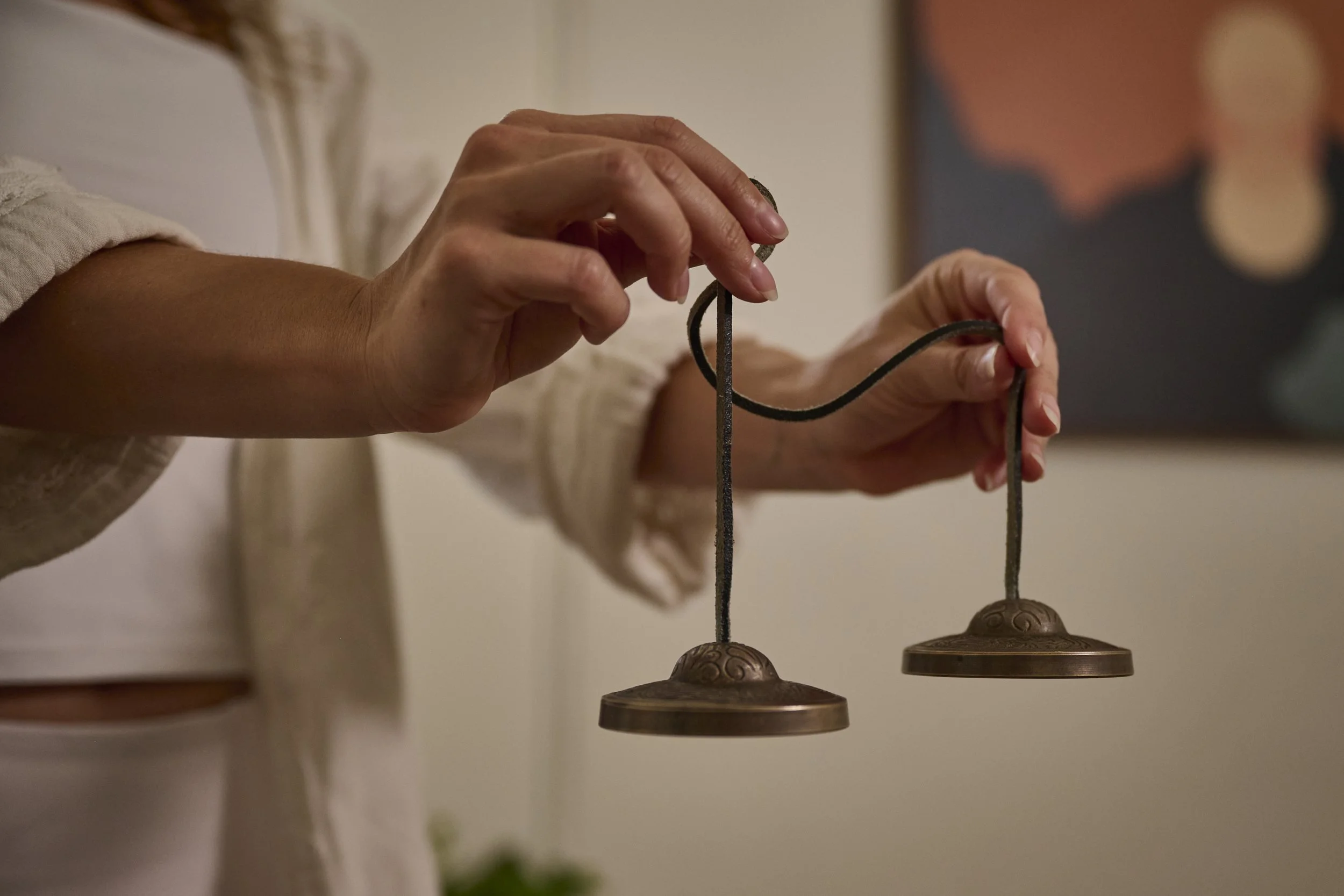
Chasity offers one-on-one Reiki Energy Healing sessions & small group soundbath ceremonies and meditations
Reiki Healing is an energetic healing practice used to promote physical, emotional, psychological, and spiritual well-being.
As a Level III Usui Reiki Master, Chasity’s practice centers on supporting the body’s natural ability to restore balance across the physical, emotional, and energetic layers of wellbeing.
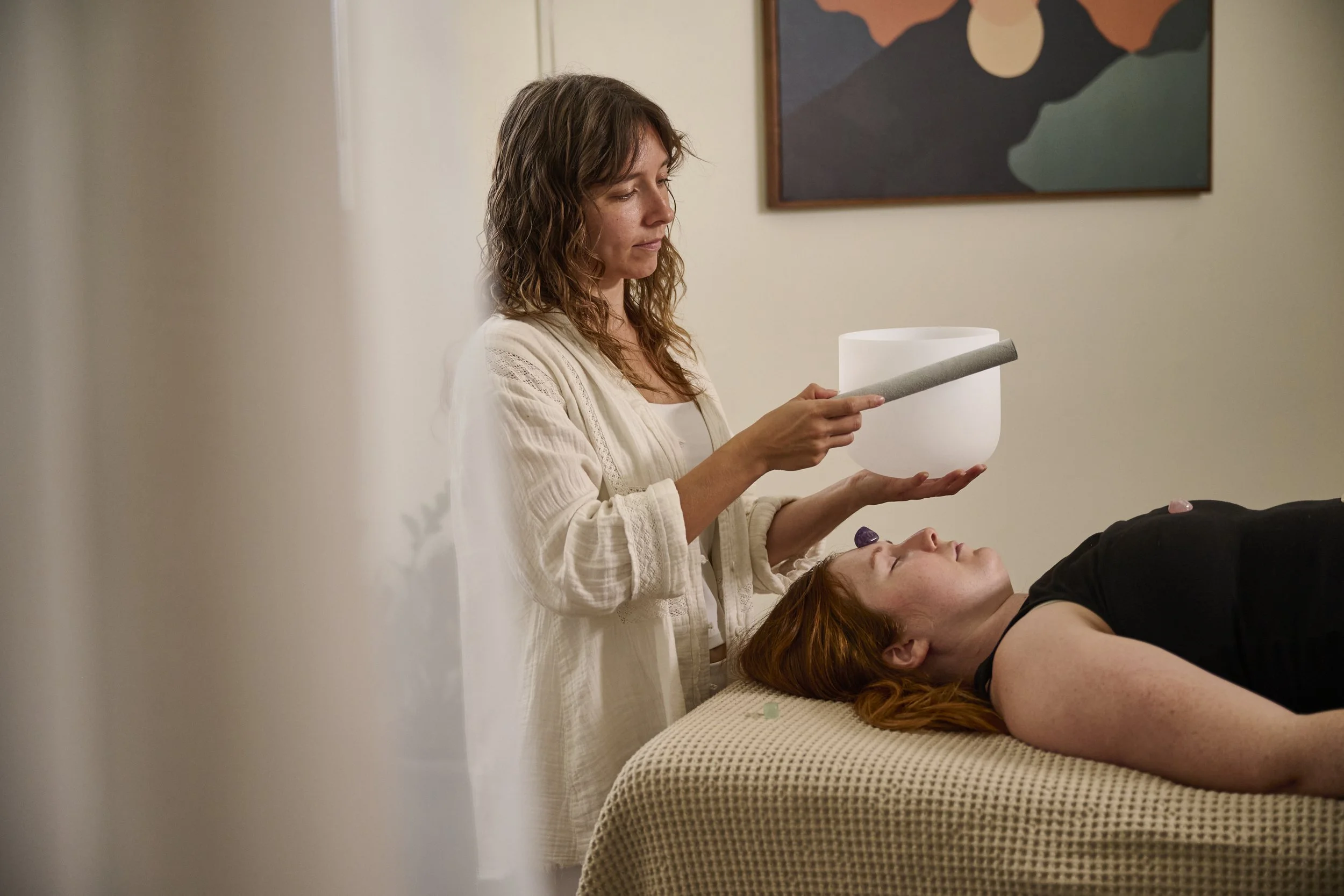
Rooted in gentle, intentional energy work, Chasity’s sessions weave together Reiki, chakra tuning, and subtle sound healing to guide your nervous system into a deeply hypnogogic state. Through this process, Reiki energy is flowing through Chasity, allowing energy to go to areas in the body where it is needed to release physical, mental, emotional, and spiritual blockages.
When the body is energetically aligned, the mind softens, the heart opens, and a deeper sense of peace becomes accessible. This work supports restful sleep, emotional balance, stress & anxiety relief, and a grounded return to self. Through this space of restoration and presence, you will feel guided towards a deeper union with yourself.
Book a Session
-
Reiki is a Japanese practice of energy work developed in the early 20th century by Mikao Usui. The word Reiki is made up of two Japanese characters: “Rei,” meaning universal or spiritual, and “Ki,” meaning life energy. Ki is understood as the vital energy that flows through all living things, similar to concepts such as qi in Chinese traditions or prana in yogic philosophy.
Mikao Usui developed the Reiki system known today as Usui Reiki Ryoho in Japan in the 1920s. His teachings emphasized cultivating inner balance, compassion, mindfulness, and a peaceful way of living, alongside hands-on energy practice. Reiki was later brought from Japan to the West and has since evolved into a widely practiced complementary wellness modality.
-
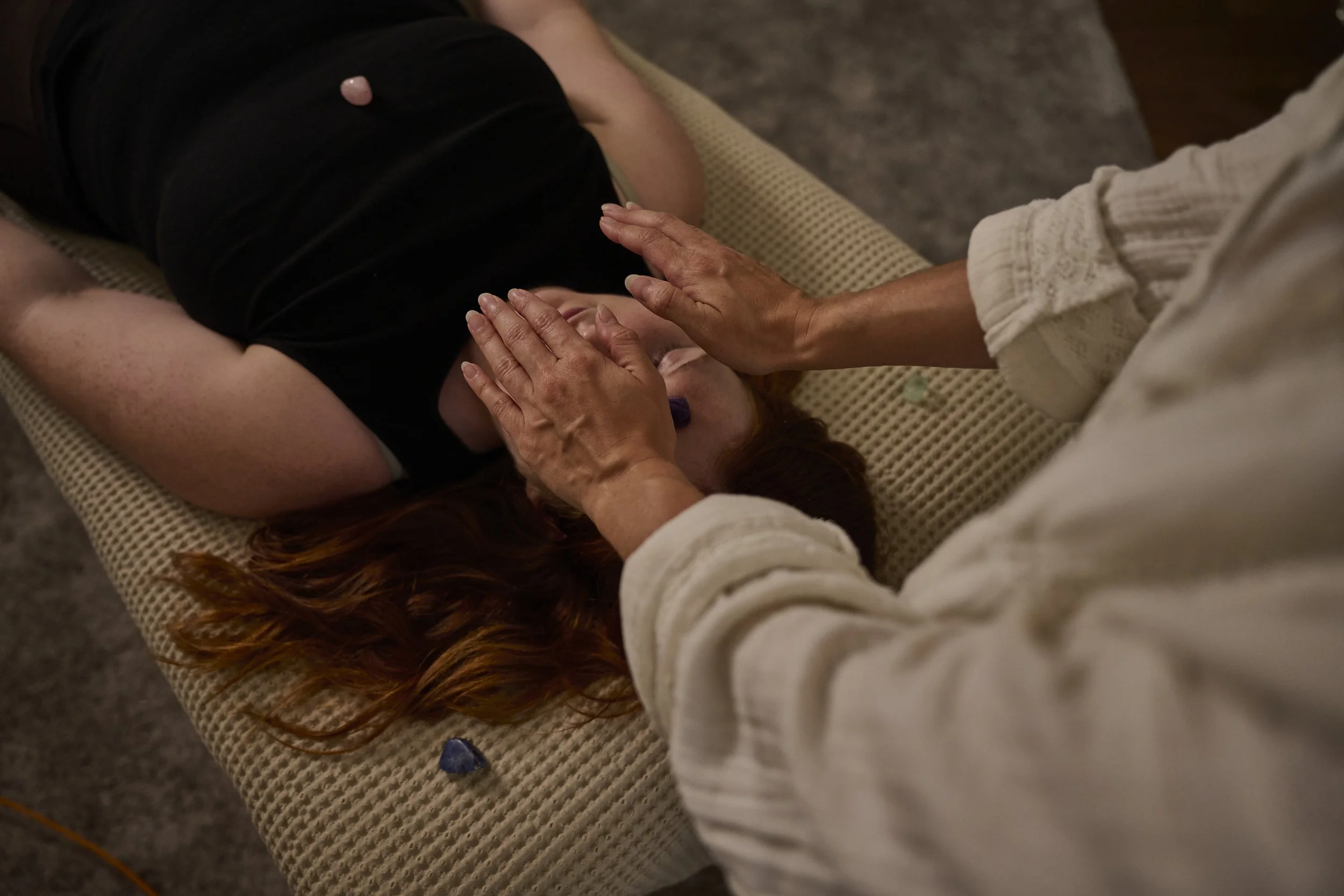
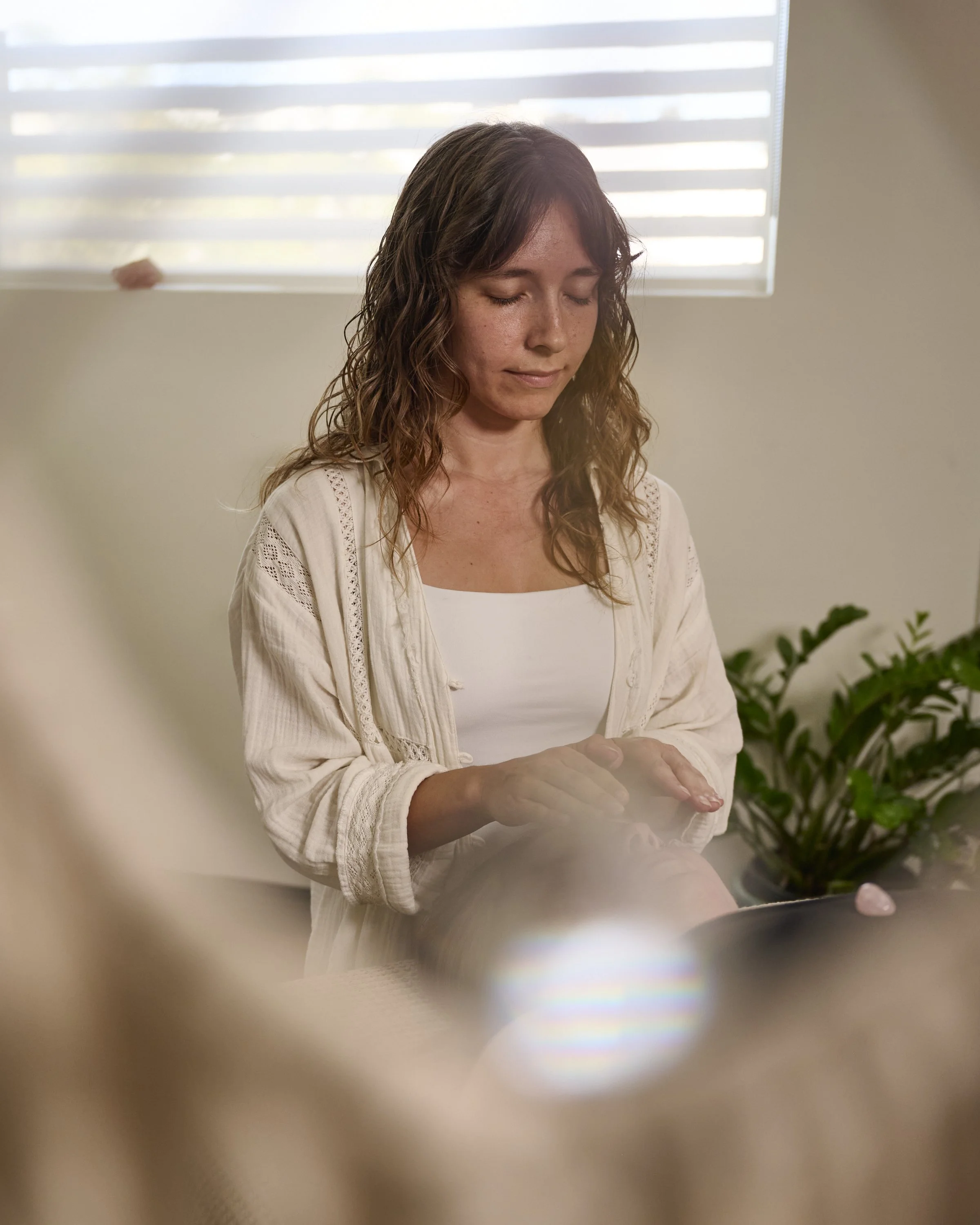
During a Reiki session, Chasity gently places her hands on or just above the body, allowing the recipient to rest and receive. Many people describe Reiki as deeply calming and restorative, and research has explored its potential benefits for relaxation, stress reduction, mood, and overall wellbeing. While more research is needed to understand how Reiki may work and its clinical effects, it is generally regarded as a gentle, non-invasive complementary practice.
People experience Reiki in different ways. You may notice sensations of warmth, tingling, heaviness, lightness, or subtle movement or you may simply experience a profound sense of relaxation. Some people become very still or fall asleep, while others experience emotions, memories, or insights as their parasympathetic nervous system activates.
-
Becoming a Reiki practitioner is a deeply personal and ongoing journey of study, practice, and self-development. In the Usui Reiki tradition, training is traditionally offered in progressive levels, with each level building upon the last through teachings, attunements, hands-on practice, meditation, and continued personal Reiki work.
The Reiki Master level represents an advanced stage of study and commitment within this tradition. Reaching this level involves more than simply learning how to facilitate a Reiki session. It calls for developing a deeper understanding of Reiki principles, cultivating a consistent personal practice, refining intuitive awareness, and learning to work with energy in a thoughtful, grounded, and compassionate way.
A Reiki Master continues to learn through experience. This path encourages practitioners to look inward, embody the principles they share with others, and approach each session with presence, intention, humility, and respect for the individual receiving the work.